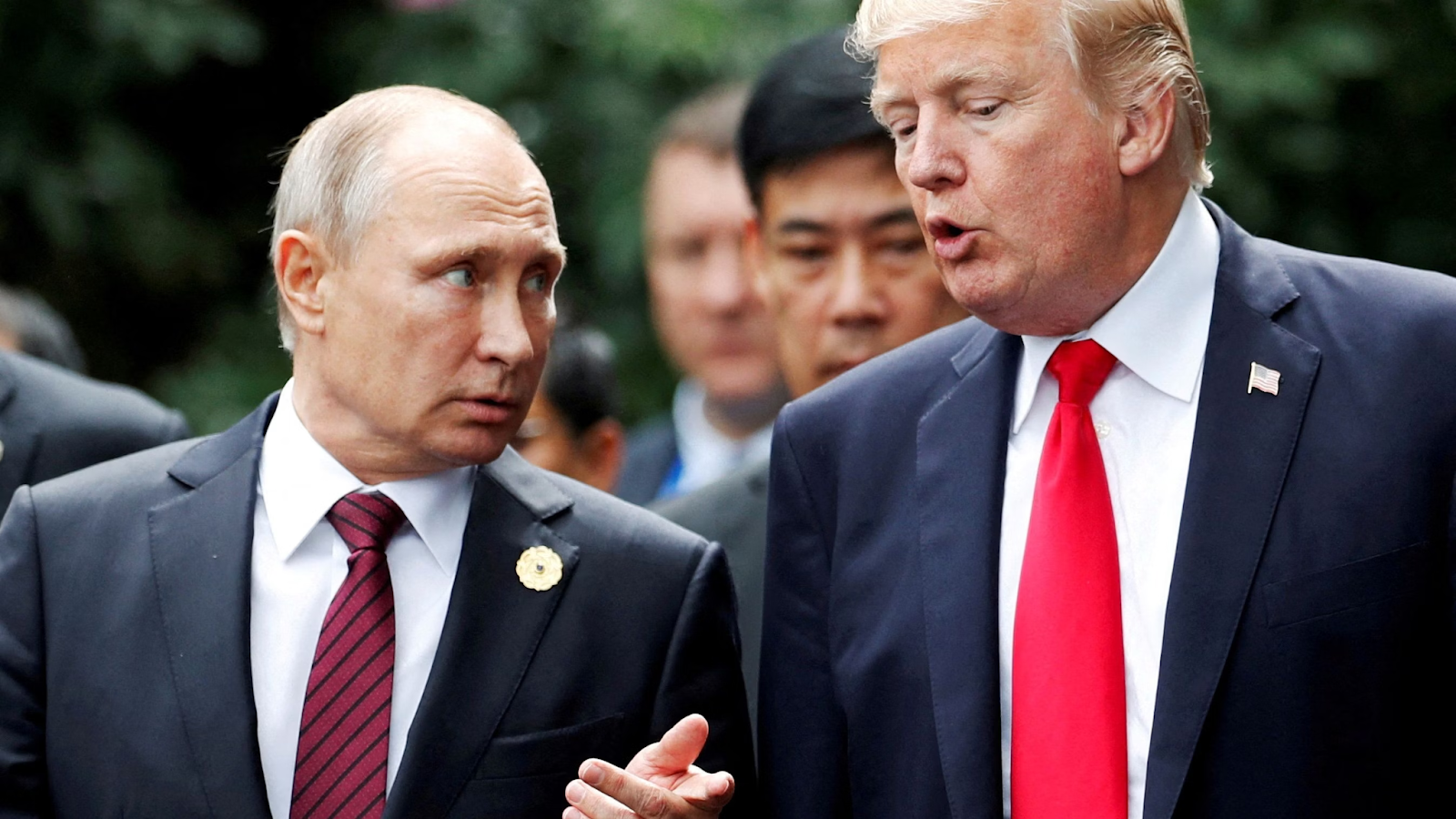
The upcoming U.S.-Russia summit in Alaska marks a dramatic evolution from the last such meeting in Geneva in 2021. While the 2021 summit between Joe Biden and Vladimir Putin was an attempt to stabilize tense relations, the 2025 meeting between Donald Trump and Putin is an audacious bid to end a full-scale war.
The context has shifted entirely. In 2021, the primary concerns were cyberattacks, election interference, and strategic stability. In 2025, the central issue is a brutal, nearly four-year-long war in Europe that has reshaped the geopolitical landscape.
The diplomatic approach has also changed. The Geneva summit was a carefully choreographed event, part of a traditional diplomatic process. The Alaska summit, announced by Trump on social media, reflects a more impulsive, personality-driven style of foreign policy, focused on achieving a singular, grand bargain.
The stakes are infinitely higher. The 2021 meeting aimed to manage conflict; the 2025 meeting aims to end it. The outcome of the talks in Alaska will not just define the future of U.S.-Russia relations, but could also determine the map of Eastern Europe and the fate of the Ukrainian nation.
From Geneva 2021 to Alaska 2025: The Evolution of U.S.-Russia Summits