

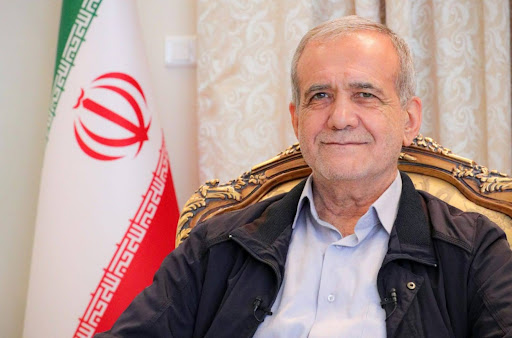
Iranian President Masoud Pezeshkian has framed his message to Gulf nations around a simple economic argument: the cost of hosting enemy forces is their own instability. Delivered more than a month into the war, the statement is one of the most direct diplomatic messages Tehran has sent to neighbouring Gulf states. Iran is clearly seeking to persuade Gulf governments that their alliance with the United States is costing them more than it is worth.
Gulf countries including Saudi Arabia, the UAE, Kuwait, Qatar, and Oman have been targeted by Iranian retaliatory strikes as a result of hosting US military operations against Iran. The cycle of attacks has imposed significant economic and security costs on these nations. Gulf governments are now grappling with the consequences of their decision to maintain US military bases on their soil in the context of an active and intensifying regional war.
Pezeshkian shared his position on X, reaffirming that Iran will not initiate attacks but will retaliate firmly against any damage to its infrastructure or economic centres. He urged Gulf leaders to stop providing a platform for enemy operations, framing this as the only path to development and security. The message was clear in its logic and deliberate in its appeal to Gulf governments’ pragmatic self-interest.
Pakistan has been a driving force in the diplomatic effort to resolve the conflict, with Prime Minister Shehbaz Sharif serving as a key intermediary. Sharif’s meeting with Pezeshkian confirmed that Iran prioritises trust-building as the foundation for any future negotiations. Pakistan’s mediation role has been praised by Tehran, boosting Islamabad’s standing as a neutral and credible actor.
A significant diplomatic gathering in Pakistan is bringing together foreign ministers of Saudi Arabia, Egypt, and Turkey. Their discussions with Pakistani Foreign Minister Ishaq Dar and Prime Minister Sharif are aimed at forging a coordinated regional response to the war. The meeting is one of the most important diplomatic developments to emerge from the conflict and holds real potential to advance the cause of de-escalation.
