

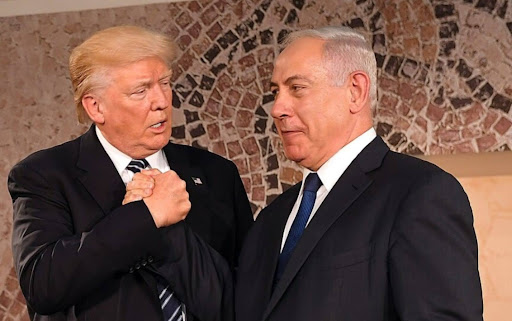
A single strike on an Iranian gas field set off a cascade of consequences that continues to reverberate across the Middle East. When Israeli forces hit the South Pars facility — Iran’s crown jewel of energy production — Iran responded with retaliatory strikes on energy infrastructure across the region, global fuel prices jumped, and Gulf nations flooded Washington with calls for restraint. The incident also exposed the clearest public disagreement yet between US President Donald Trump and Israeli Prime Minister Benjamin Netanyahu, shaking confidence in the coherence of their joint campaign.
Trump did not hold back his reaction. Speaking during a White House meeting with Japan’s Prime Minister, he said he had personally told Netanyahu not to carry out the attack. The comment was remarkable in its directness — a sitting American president publicly second-guessing a military decision made by his closest ally in the middle of an active war. It signaled that whatever coordination exists between the two governments, it has limits.
Netanyahu accepted the rebuke without fully conceding the point. He confirmed Israel acted alone and agreed to Trump’s request to pause further gas field attacks, while insisting the broader alliance is in excellent shape. His framing — Trump as leader, Israel as ally — was designed to demonstrate loyalty while leaving room for independent action. The question of whether that independence will be exercised again on another high-value target went unanswered.
Several contradictions complicated the official narrative. Trump’s claim of ignorance about the strike was challenged by sources with knowledge of the matter. US officials stressed ongoing target coordination, which itself suggested greater involvement than “we knew nothing” implied. The gap between public messaging and reported reality raised questions about the transparency of the relationship — and about how much each side truly trusts the other.
Analysts focused on the deeper issue: the two leaders want different things from this war. Trump is focused on nuclear deterrence. Netanyahu is playing for a wholesale transformation of the regional order. Tulsi Gabbard acknowledged the divergence before Congress. Trump has since walked back regime-change language. These are not merely differences in tone — they are differences in destination, and they will shape every strategic decision ahead.
