

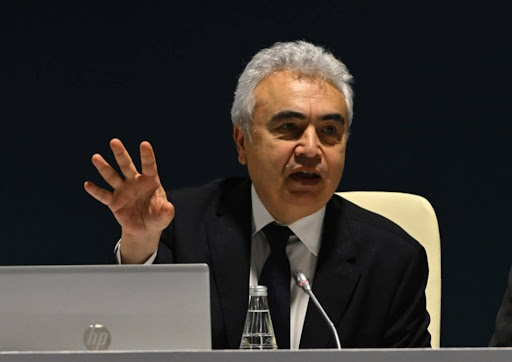
Fatih Birol, the head of the International Energy Agency, has warned that the already severe global energy crisis could worsen significantly if individual nations respond by hoarding fuel for domestic use rather than coordinating internationally. Speaking in Canberra, the IEA executive director said some Asian countries were already adopting defensive positions on their fuel holdings, a trend he described as counterproductive. He called for solidarity and collective action to navigate what he described as an energy emergency equivalent to the 1970s oil shocks and Ukraine gas crisis combined.
The crisis began with US and Israeli strikes on Iran on February 28 and escalated with the closure of the Strait of Hormuz. The conflict has since removed 11 million barrels of oil per day from global supply and 140 billion cubic metres of natural gas from international markets. These losses are far greater than those seen in any previous energy crisis, including the twin oil shocks of the 1970s and the Ukraine conflict.
The IEA released 400 million barrels from strategic reserves on March 11, the largest emergency action in its history, representing 20 percent of available stocks. Further releases were under consideration, with the IEA consulting governments across three continents. Birol also recommended demand-side policies including working from home, lower motorway speed limits, and reduced commercial air travel.
The Hormuz strait, through which approximately 20 percent of world oil flows, remains closed to commercial shipping, straining fuel markets across Asia and Europe. At least 40 Gulf energy assets have been severely damaged, making rapid supply restoration impossible. Birol said the single most important step toward resolving the crisis was the reopening of the strait to international commercial traffic.
Trump’s ultimatum to Iran to reopen the strait triggered threats of retaliation from Tehran against US and allied energy and desalination infrastructure. Birol met with Australian Prime Minister Anthony Albanese as part of his Asia-Pacific tour and urged governments to resist the temptation of fuel protectionism. His core argument was that the crisis could only be navigated through collective global effort — and that national self-interest, however understandable, would ultimately make things worse for everyone.
