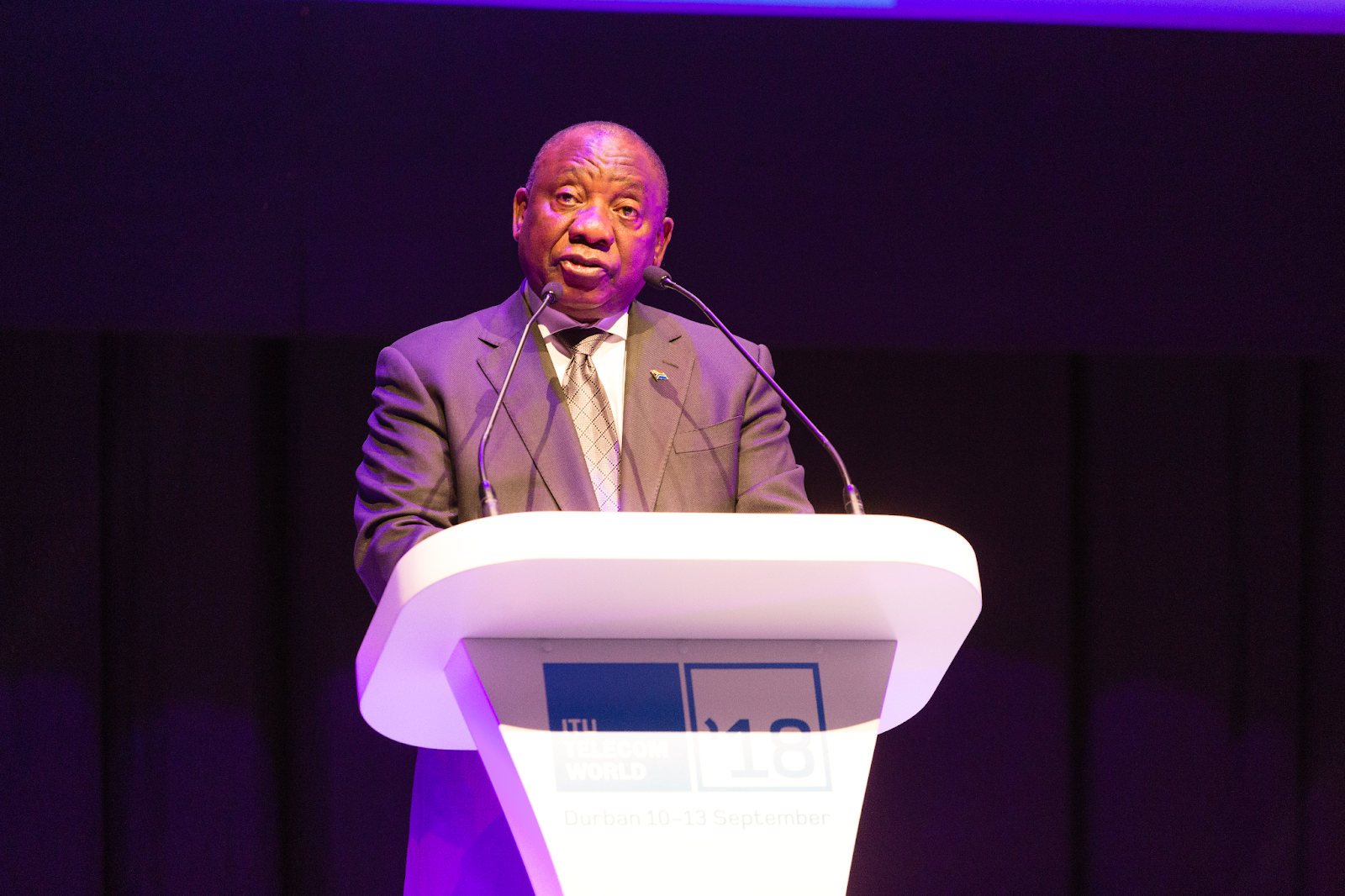
President Cyril Ramaphosa has confirmed a significant diplomatic victory for South Africa, announcing that the US is in last-minute talks to reverse its planned boycott of the G20 summit. This development is being celebrated as the triumph of dialogue over disruption, although Ramaphosa offered no official confirmation on whether President Donald Trump will attend the Johannesburg meeting.
The controversy stemmed from President Trump’s accusations of discrimination and systemic violence against white Afrikaner farmers, linked to land reform policies. The South African government’s response was an unambiguous rejection of these claims, asserting they were factually incorrect and politically motivated to interfere with the G20 proceedings.
Addressing European leaders, Ramaphosa viewed the US outreach as a powerful “positive sign” that international engagement was valued. He reiterated his firm belief that boycotts are unproductive and stressed the vital importance of inclusive global cooperation for tackling global economic issues. He confirmed South Africa’s G20 agenda is intentionally focused on the needs of emerging and developing economies.
The most contentious moment was the US diplomatic note threatening that the G20 could not produce a unified final statement without American presence. South Africa’s condemnation was strong, labeling the move an act of coercion that threatened the very integrity of multilateral decision-making. Officials maintained that allowing an absent nation to dictate outcomes would set a dangerous precedent.
Ramaphosa concluded by underscoring South Africa’s commitment to achieving consensus among the G20 members. He acknowledged the future US G20 presidency but was clear that the forum’s credibility is built on its inclusivity and mutual respect, rather than yielding to the unilateral demands of a single powerful state.
Dialogue Over Disruption: US Reconsidering G20 Snub After SA Push