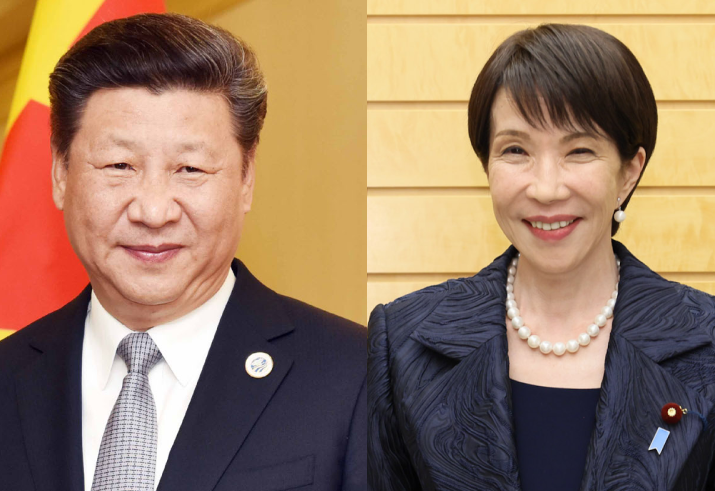
Historical precedents in Japan-China relations suggest that the current diplomatic crisis over Taiwan may persist until leadership changes occur in one or both countries, as new leaders are not personally associated with controversial statements and can adopt fresh approaches without appearing to reverse course. This pattern, noted by international relations expert Sheila A. Smith, highlights how personal commitments by current leaders create constraints that make de-escalation particularly difficult even when both sides acknowledge the economic costs of continued confrontation.
Prime Minister Sanae Takaichi’s characterization of potential Chinese military action against Taiwan as a “survival-threatening situation” has become associated with her leadership, making retraction politically costly regardless of economic consequences. Similarly, Chinese President Xi Jinping’s firm position demanding explicit Japanese commitment to the “One China” principle makes compromise difficult without appearing weak on an issue Beijing views as fundamental. Both leaders face domestic audiences that constrain their flexibility.
The economic costs of this leadership-driven impasse are mounting. Travel advisories threaten tourism losses of approximately $11.5 billion with over 8 million Chinese visitors in the first ten months of this year representing 23% of all arrivals to Japan. Cultural exchanges are being disrupted, concerns are growing about rare earth export restrictions, and the existing seafood import ban continues. Professor Liu Jiangyong indicates China will implement additional countermeasures gradually, suggesting costs will increase over time.
The pattern of requiring leadership changes for resolution means that the crisis could persist for years depending on electoral cycles and political developments in both countries. Takaichi took office relatively recently, and Xi has consolidated long-term power in China, suggesting both leaders may remain in place for extended periods. Business owners like Rie Takeda, who operates a tearoom experiencing mass cancellations, hope for recovery by Chinese New Year in February, but the leadership-change pattern suggests such optimism may be dramatically premature.
This structural aspect of bilateral disputes creates particular challenges for economic actors who cannot influence leadership transitions or high-level diplomatic decisions. Small businesses, tourism operators, entertainment companies, and manufacturing firms dependent on bilateral exchange face prolonged uncertainty determined by political factors beyond their control. The leadership-change pattern also raises questions about the sustainability of economic interdependence when diplomatic disputes can create lasting disruptions that persist regardless of mutual economic damage, potentially encouraging both countries to reduce dependencies that create vulnerabilities during political confrontations, further complicating eventual resolution even after leadership changes eventually permit diplomatic reset.
Historical Pattern Shows Leadership Changes Often Required to Resolve Japan-China Crises