
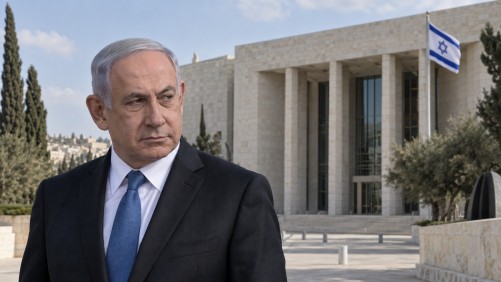
The Israeli government’s push to reform its judicial system could significantly alter the balance of power between the judiciary and the legislative branch, with potential impacts on public policy areas like media regulation and religious affairs. These changes come as Prime Minister Benjamin Netanyahu’s administration seeks to revive plans that were postponed following the October 7 attacks and the subsequent formation of a unity government.
Central to the proposed reforms is a reduction in the Supreme Court’s power to overturn legislation and a limitation on who can bring cases before the court. Advocates argue that these measures would empower the Knesset by decreasing judicial intervention in political decisions, thereby enhancing democratic governance. However, critics warn that such changes could undermine judicial oversight and increase political influence over the courts, which might erode institutional checks on government actions.
Another major component of the overhaul involves the process of appointing Supreme Court justices. Under the planned legislation, the veto power currently held by professional representatives would be removed, requiring consensus between coalition and opposition members for appointments. Should the process reach a stalemate, each side would have the authority to appoint one justice. This could lead to a significant shift in the court’s composition, especially as six more justices are expected to retire within the next three years, adding to the four who have already left after reaching mandatory retirement age.
The debate over these judicial changes is anticipated to be a pivotal issue in the upcoming elections in Israel. The discussions are likely to focus on the structure and authority of the Supreme Court, as these reforms could reshape the nation’s system of governance. Opposition voices, including lawmakers and legal experts, have expressed concerns that reducing judicial checks could compromise protections for individual and minority rights, especially in areas like media oversight and the Orthodox religious establishment.
As the Netanyahu administration proceeds with these plans, the ongoing contention highlights the complex balancing act between maintaining democratic principles and adapting governance structures to meet the evolving political landscape in Israel. The outcome of this debate will not only define the future role of the judiciary but also influence broader policy directions in the country.