
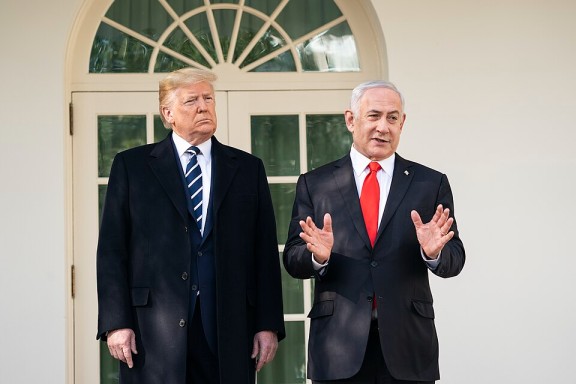
Prime Minister Benjamin Netanyahu engaged in discussions with US President Donald Trump on Sunday evening regarding the ongoing tensions with Iran, as confirmed by Netanyahu’s office. The conversation touched upon the possibility of renewing military actions against Iran and included discussions about Trump’s recent visit to China. Following the call, Netanyahu planned a high-level security meeting with key ministers and aides in Jerusalem, often referred to as the “small security cabinet.” This group typically involves Foreign Minister Gideon Sa’ar, Defense Minister Israel Katz, and other senior officials.
Reports last week indicated that Israel and the United States were intensifying preparations for potential renewed strikes on Iran, possibly within the week. This urgency followed a drone attack on a nuclear facility in the UAE, a nation that, along with Israel, has endured significant conflict with Iran. Trump, preparing for a Situation Room meeting with his national security team, hinted at a continued belief that Iran is open to negotiation but warned of severe consequences if Tehran fails to act promptly on US demands. Trump expressed on social media that Iran should act quickly, emphasizing the urgency of the situation.
During his weekly cabinet meeting, Netanyahu remarked on the vigilance required regarding Iran and expressed interest in hearing about Trump’s impressions from his China trip. In China, Trump discussed with President Xi Jinping the strategic Strait of Hormuz and received assurances against Chinese military support for Iran. Upon Trump’s return, he shared a dramatic AI-generated image suggesting imminent conflict, underlining the tense atmosphere.
Meanwhile, Iranian officials issued warnings against renewed US military actions, with spokesperson Abolfazl Shekarchi cautioning that any aggression would meet unprecedented resistance. Iran’s deputy speaker, Hamidreza Hajibabaei, threatened actions that could disrupt global oil access if Iranian oil infrastructure were targeted. Amidst these tensions, Iranian media reported dissatisfaction with US negotiation offers, claiming that the US had proposed no significant concessions, while demanding strict limitations on Iran’s nuclear activities and control over its enriched uranium.
A drone attack on a UAE nuclear power plant further escalated tensions, although no injuries or safety breaches were reported. The International Atomic Energy Agency condemned the incident, highlighting concerns over military threats to nuclear safety. Accusations have surfaced implicating Iran in attacks on UAE infrastructure, as military actions from the UAE and Saudi Arabia against Iran were also reported. These developments underscore the fragile and volatile nature of the situation in the region.