
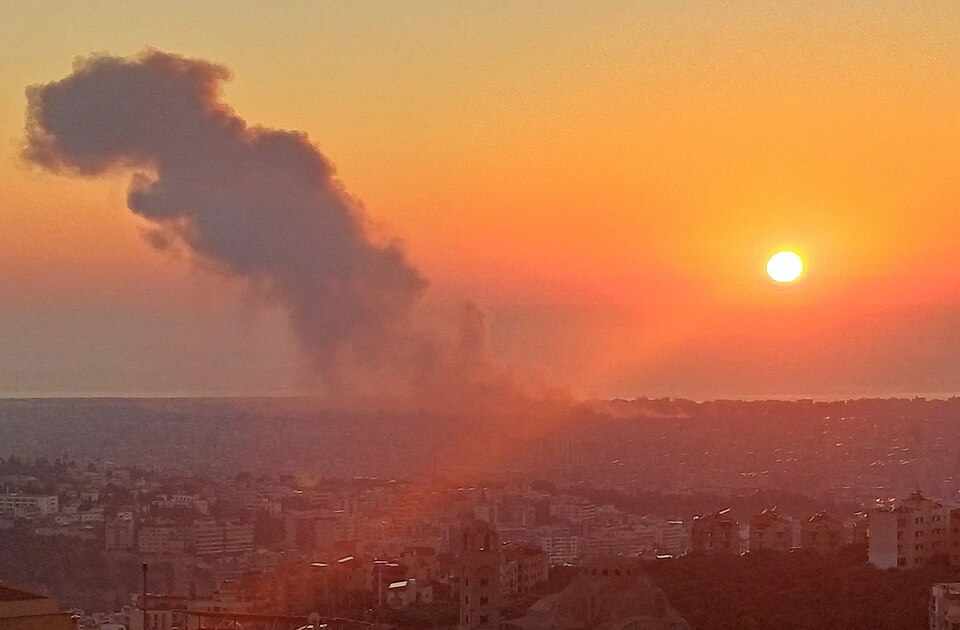
A fragile ceasefire between Israel and Hezbollah has been reinstated following a recent surge in violence along the Lebanon-Israel border that threatened to destabilize the region and disrupt crucial diplomatic talks between the United States and Iran. The conflict intensified when Hezbollah launched attacks on Israeli troops stationed in southern Lebanon, resulting in the deaths of several Israeli soldiers. In response, Israel conducted extensive airstrikes on Hezbollah positions, leading to numerous casualties and significant destruction.
This escalation prompted the postponement of scheduled discussions between the US and Iran, which were to take place in Switzerland. These talks were aimed at implementing a newly signed framework agreement concerning Iran’s nuclear program and addressing broader regional security concerns. The violence had cast a shadow over these diplomatic efforts, highlighting the precariousness of the situation in the Middle East.
Despite the intense flare-up, both Israel and Hezbollah have expressed a readiness to cease hostilities and adhere to the ceasefire agreement. Officials from both sides have suggested that further escalation could be avoided if the truce is maintained. This development is considered a crucial step towards preserving diplomatic efforts to reduce tensions across the volatile region.
However, the path to lasting peace remains fraught with challenges. Ongoing disagreements over security arrangements in southern Lebanon persist, alongside broader geopolitical tensions that continue to loom large. While the renewed ceasefire offers a momentary respite, the situation remains delicate, underscoring the need for sustained diplomatic engagement to address underlying issues and prevent future conflicts.