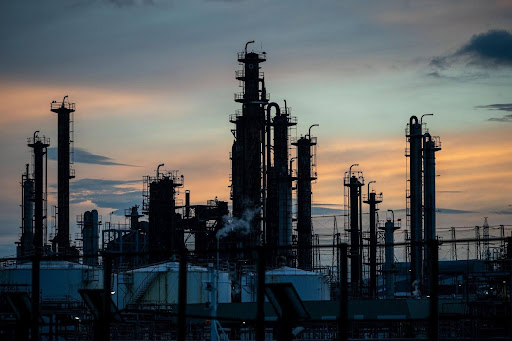
American crude markets felt the full force of the Middle East crisis Thursday as West Texas Intermediate climbed 8.6% to $94.75 a barrel, approaching the psychologically important $100 level. The move mirrored gains in international benchmark Brent crude, which also rose sharply despite a record emergency release of oil reserves by the world’s largest consuming nations. The dual pressure on US and international oil benchmarks reflects the global reach of the supply disruption.
Iran struck merchant ships near the Strait of Hormuz, oil ports in Iraq, fuel tanks in Bahrain, and export facilities near Oman’s Mina Al Fahal terminal. Three crew members aboard the Thai-flagged Mayuree Naree were reported trapped. Iraq halted all crude exports, Bahrain issued shelter-in-place orders, and Oman cleared its main terminal of vessels. The Strait of Hormuz has been closed since February 28.
Brent crude gained 9% to touch $100.29 a barrel before settling at around $98. The international benchmark has surged from around $60 at the year’s start to a weekly peak of $119, representing an extraordinary price shock in a compressed timeframe. Iran’s military compounded market anxiety by warning of $200-per-barrel oil.
The IEA’s 32 member nations collectively released 400 million barrels of emergency crude, and the US separately announced a release of 172 million barrels from its Strategic Petroleum Reserve. Energy Secretary Chris Wright confirmed deliveries would begin within a week and take about four months. He accused Iran of deliberately endangering the energy security of the United States and its allies.
Goldman Sachs raised its Q4 2026 Brent forecast to $71 per barrel from $66. Deutsche Bank warned of stagflation risks. Japan’s Nikkei fell 1.6% and South Korea’s Kospi declined 1.2%, while European gas climbed 7.7%.
West Texas Intermediate Nears $100 as US Crude Markets Feel the Gulf Shock