
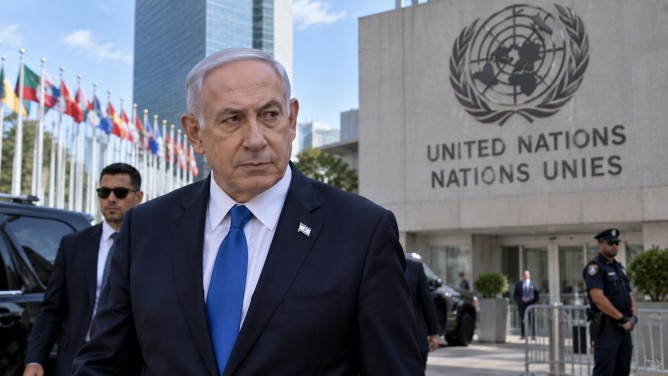
Israeli Prime Minister Benjamin Netanyahu is set to make a quick trip to New York towards the end of the month for an important engagement at the United Nations General Assembly. Despite the swirling political and legal controversies surrounding his visit, Netanyahu plans to address the assembly during his brief 24-hour stay. According to Israel’s UN ambassador Danny Danon, the prime minister is scheduled to arrive in New York on September 23, deliver his speech to the General Assembly on September 24, and return to Israel that same evening.
This visit takes place amidst a backdrop of tension with New York City Mayor Zohran Mamdani, who has been vocal in his criticism of Netanyahu, labeling him a war criminal. Mamdani has previously expressed his intention to have the Israeli leader arrested if he set foot in the city. However, Mamdani later acknowledged the limitation of city authorities, who lack the jurisdiction to act on an arrest warrant issued by the International Criminal Court (ICC).
The ICC had issued arrest warrants for Netanyahu and former Israeli Defense Minister Yoav Gallant in November 2024, citing alleged crimes against humanity connected to Israel’s military operations in Gaza. The Israeli government has consistently dismissed these allegations. Despite the legal challenges, Netanyahu remains determined to deliver his address, aware that his presence may incite protests similar to those in the past. Last year, a significant number of delegates exited the UN General Assembly hall as he began speaking, and Israeli officials anticipate similar demonstrations this year.
The annual UN assembly, running from September 22 to 28, coincides with the Jewish holidays and a crucial election period in Israel. Netanyahu’s planned visit underscores the significance of Israel’s voice on the global stage, even as it navigates domestic and international controversies. The prime minister’s steadfastness in addressing the assembly, despite expected protests and legal threats, highlights the ongoing complexities and tensions in Israeli politics and international relations.