
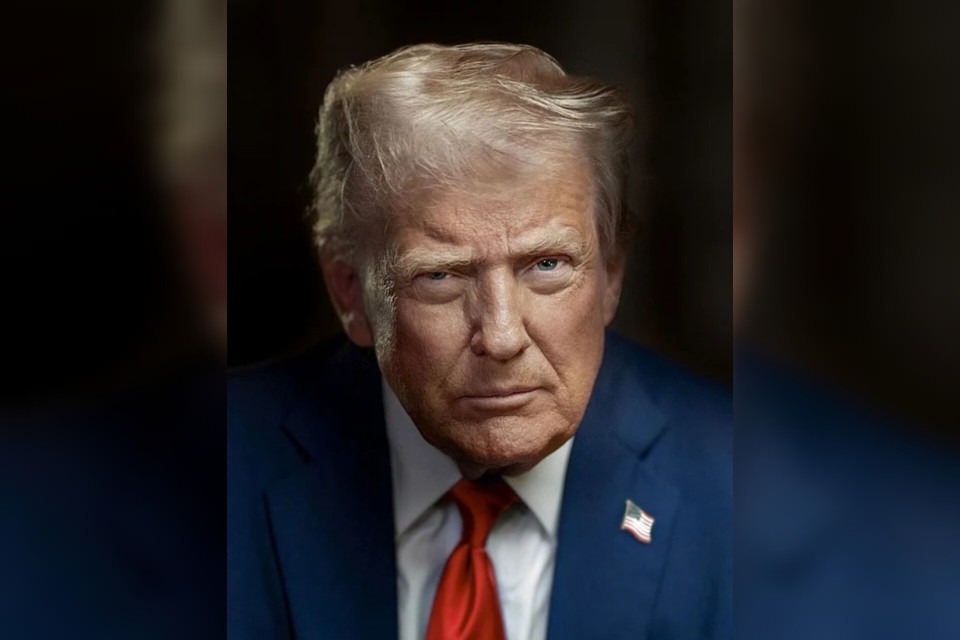
In a significant diplomatic development, U.S. President Donald Trump announced progress towards a peace agreement with Iran, following extensive negotiations involving several Middle Eastern leaders, along with Pakistan and Israel. Trump characterized the proposed accord as “largely negotiated,” with only minor details pending before it can be officially declared. This potential agreement aims to reopen the strategically crucial Strait of Hormuz and could bring an end to the conflict that flared up earlier this year.
Key figures in the discussions included leaders from Saudi Arabia, Qatar, Turkey, Egypt, the UAE, Jordan, Bahrain, and Pakistan, as well as Israeli Prime Minister Benjamin Netanyahu. However, Iranian officials have expressed reservations, particularly concerning the control over the Strait of Hormuz. They maintain that Iran should retain authority over the waterway, including decisions about shipping routes and permits.
Pakistan’s Prime Minister Shehbaz Sharif has expressed optimism about the diplomatic progress, indicating Pakistan’s willingness to facilitate further dialogue between the United States and Iran. Pakistani army chief General Syed Asim Munir has been instrumental in mediation efforts, recently engaging with Iranian leadership during meetings in Tehran.
The draft proposal under discussion reportedly includes measures such as a 60-day extension of a ceasefire, toll-free reopening of the Strait of Hormuz, easing restrictions on Iranian oil exports, and renewed talks regarding Iran’s nuclear activities. In exchange, the United States might consider lifting constraints on Iranian ports and releasing frozen Iranian assets as part of a comprehensive settlement.
Despite the forward momentum in diplomacy, tensions remain palpable. President Trump has cautioned about the potential resumption of military actions should the negotiations falter, while some critics within the Republican Party have voiced concerns. They argue that the proposed terms bear resemblance to previous nuclear agreements they oppose, warning against increasing Iran’s regional influence. The debate continues in Washington, with advocates seeing the deal as a means to prevent further conflict and economic upheaval.