
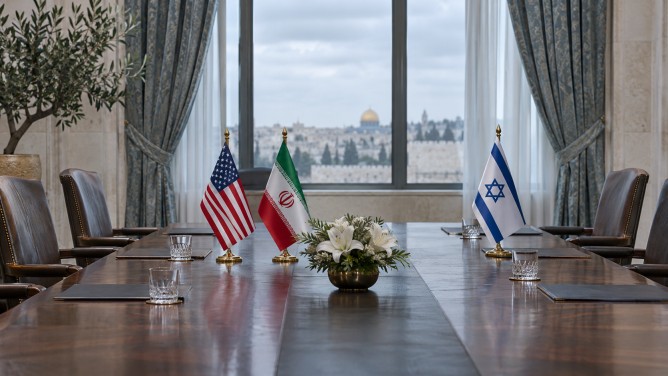
Concerns are growing among negotiators from the United States, Iran, and Qatar that Israeli Prime Minister Benjamin Netanyahu might destabilize ongoing peace talks aimed at resolving tensions between Washington and Tehran. Officials involved in the negotiations worry that Netanyahu’s potential military actions could reignite large-scale conflict, which has seen a reduction since April.
The Trump administration is currently balancing diplomatic negotiations with maintaining economic pressure on Iran. This includes a blockade of Iranian ports and heightened sanctions designed to push Tehran into complying with U.S. demands regarding its nuclear program and control over the Strait of Hormuz. Despite these pressures, Iran has shown some openness to discussing its nuclear activities, facilitated by Qatari mediation. However, critical disagreements persist, notably Iran’s refusal to export its enriched uranium stockpiles, although it has proposed reducing enrichment levels under United Nations supervision.
In addition to nuclear discussions, Iran is seeking sanctions relief and compensation for infrastructure damage sustained during past hostilities, conditions that the United States has so far rejected. Another contentious issue is Iran’s proposal to levy tolls on vessels navigating through the strategically vital Strait of Hormuz.
Within the U.S. administration, Vice President JD Vance, an advocate for a diplomatic solution, has expressed concerns over Netanyahu’s calls for renewed military action. Vance suggests that the Israeli leader’s assessments of the situation may be overly aggressive and not fully aligned with the reality of the conflict’s consequences.
Despite these challenges, some negotiators remain cautiously optimistic that a deal or temporary agreement might be reached, potentially averting a resurgence of hostilities. The situation remains fluid, with all parties aware of the delicate balance required to maintain peace in the region.