
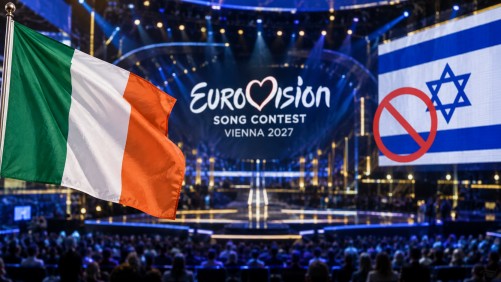
Ireland’s decision to withdraw from the 2027 Eurovision Song Contest underscores the broader impact of ongoing geopolitical tensions on international cultural events. The Irish public broadcaster, RTÉ, confirmed it will neither participate in nor broadcast the contest due to the persistent humanitarian crisis in Gaza, highlighting ethical concerns that transcend entertainment.
The move by RTÉ reflects its stance against participating in events while the conflict in Gaza continues, specifically citing the loss of civilian lives and restricted access for independent international journalists as critical issues. This decision maintains Ireland’s consistent position, as the country also boycotted the 2026 contest for similar reasons.
While Ireland steps back, the European Broadcasting Union (EBU), which organizes Eurovision, acknowledged the decision, expressing respect and stating hope for Ireland’s future return to the competition. The EBU’s stance suggests an understanding of the complex interplay between cultural celebration and global political climates.
Following Ireland’s lead, the Netherlands has also signaled its intention to sit out of the 2027 contest, although discussions are ongoing about whether an alternative broadcaster might represent the country. Meanwhile, Spain, Iceland, and Slovenia, which joined the 2026 boycott, have yet to announce their participation decisions for 2027.
The 2027 Eurovision Song Contest is set to take place in Burgas, Bulgaria, in May. As the event approaches, the participation landscape illustrates how global conflicts can influence cultural expressions, potentially reshaping how countries engage with such international gatherings.