
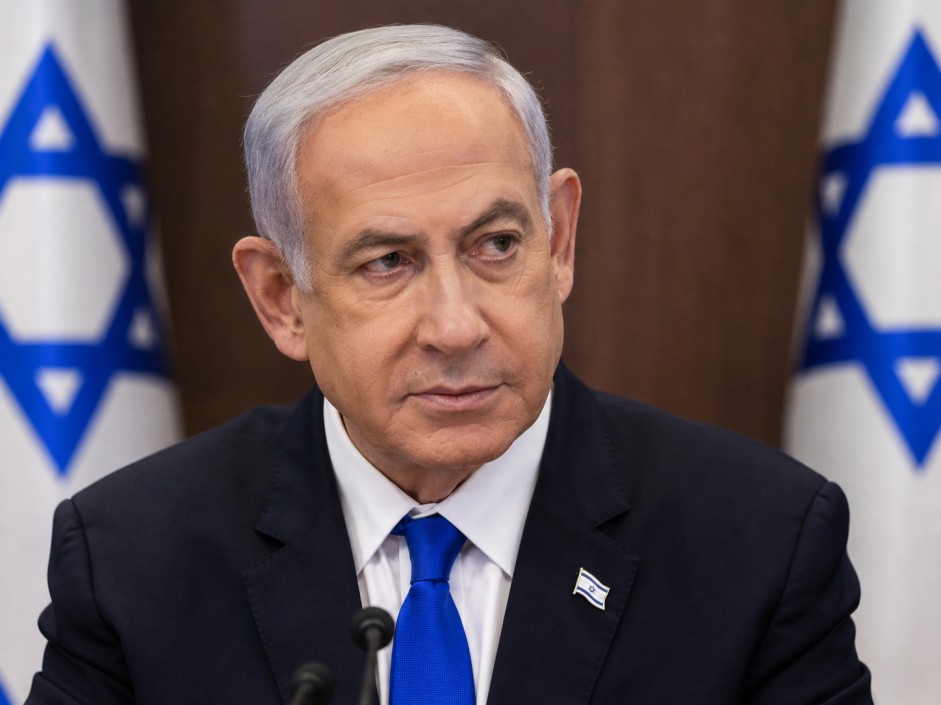
In a recent statement from Dimona, Israeli Prime Minister Benjamin Netanyahu issued a stern warning to Iran, asserting that any future attack on Israel would be met with a considerably more forceful military response than previous engagements. Netanyahu emphasized that Israel is fully prepared for all possible scenarios and will continue to take decisive action against threats to its security.
This warning comes amid escalating tensions in the Middle East, marked by renewed confrontations involving the United States and Iran. Reports indicate that Iran has launched attacks targeting several U.S. allies in the region. Meanwhile, explosions have been reported in various locations across Iran, further intensifying the situation.
In response to these developments, the United States has revised its policy regarding the strategic Strait of Hormuz. President Donald Trump has decided to abandon plans for a proposed transit fee, opting instead to focus on future trade and investment agreements with Gulf countries. This move is part of a broader effort to reinforce economic ties and stability in the region.
Amid these heightened tensions, the European Union Aviation Safety Agency (EASA) has updated its guidance, advising airlines to avoid the airspace over several Gulf countries due to increased security risks. This precautionary measure reflects the volatile situation and aims to ensure the safety of civilian flights.
Despite the growing strain, diplomatic efforts are ongoing as regional mediators continue to work towards reducing hostilities and reviving negotiations. These initiatives are crucial in preventing further escalation and fostering a more stable environment in the region.