
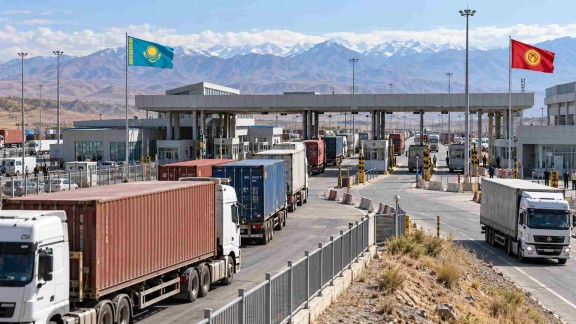
Kazakhstan and Kyrgyzstan have set an ambitious goal to elevate their bilateral trade to $3 billion, as reaffirmed during the 14th meeting of the Kazakhstan-Kyrgyzstan Intergovernmental Council in Bishkek on October 30. The meeting brought together key officials, including Kazakh Prime Minister Olzhas Bektenov and Kyrgyz Cabinet Chairman Adylbek Kasymaliyev, who discussed strategies for enhancing economic relations.
Prime Minister Bektenov emphasized Kyrgyzstan’s role as an essential regional partner, highlighting that cooperation in sectors such as transport and agriculture would be instrumental in reaching their trade target. Kasymaliyev echoed this sentiment, underlining the historical and cultural ties between the two nations and the ongoing positive development in their bilateral relations.
Recent data indicates a positive trajectory in trade between the two countries. Kazakhstan’s Minister of Trade and Integration, Arman Shakkaliyev, reported a nearly 20% increase in bilateral trade from January to August, amounting to $1.75 billion. Agricultural trade has seen significant growth, rising by 41.5% in 2025 to exceed $500 million, with Kazakhstan planning to expand its agricultural exports to Kyrgyzstan.
In addition to trade, both countries are focusing on improving transport connectivity. Growth in rail and road freight volumes has been recorded, with plans to increase electronic transport permits at the border to 5,000. Efforts to modernize eight road border checkpoints are underway, and scheduled flights between the countries have increased by 19%, facilitating business and tourism.
Discussions also addressed the management of shared water resources, environmental protection, and the exchange of hydrometeorological data. Moreover, the two nations explored digital cooperation opportunities, including artificial intelligence and space-related initiatives.
The meeting concluded with the signing of a final protocol, with both Kazakhstan and Kyrgyzstan committing to implement the agreements made and deepen cooperation across various key sectors. The roadmap set forth during the council meeting lays the groundwork for further economic integration and collaboration.