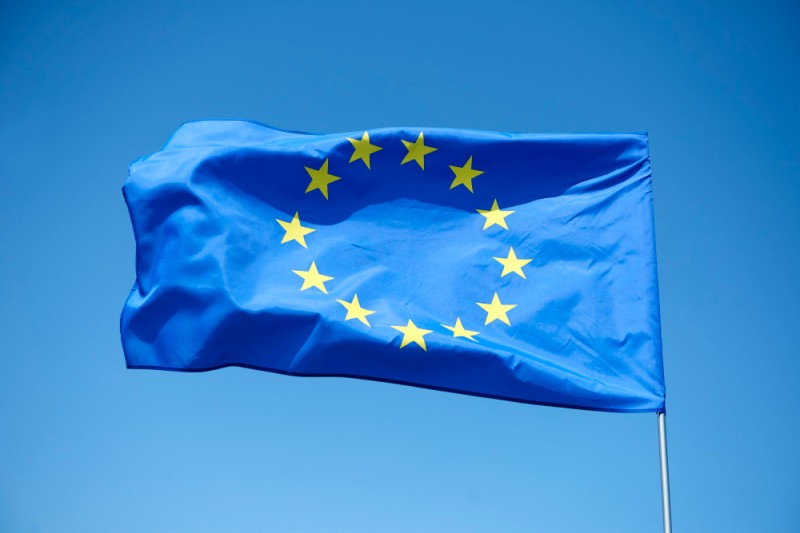
In Tivat, Montenegro, leaders from the European Union and six Western Balkan countries convened for a summit aimed at accelerating regional integration and advancing EU enlargement efforts. This significant gathering included Montenegro, Bosnia and Herzegovina, Albania, North Macedonia, Kosovo, and Serbia, with a focus on fostering shared prosperity, stability, and enhanced cooperation with the EU.
Key discussions at the summit revolved around economic reforms, security cooperation, defense coordination, and enhancing resilience against cyber threats. EU officials reiterated that enlargement remains a strategic priority, urging candidate countries to persist in implementing essential reforms for membership. The meeting also evaluated the progress of the EU’s growth plan for the Western Balkans, designed to boost economic development and strengthen regional ties with the bloc.
Among the Western Balkan nations, Montenegro and Albania are recognized as the most advanced candidates for potential EU membership. In contrast, other countries in the region face ongoing political and institutional challenges on their path to accession. European leaders are expected to deliberate on additional financial support and measures to expedite the accession process for those countries meeting the necessary criteria.
Despite these advancements, regional tensions, particularly between Serbia and Montenegro, have remained a focal point due to recent security-related disputes. Nevertheless, officials underscored the importance of dialogue and cooperation as the region moves closer to European integration. Such efforts are seen as crucial for ensuring stability and prosperity across the Western Balkans.